
If your doctor has recommended an MRI scan, you may have questions about why the test is needed, whether it is safe, and what to expect during the procedure. At Prolife Hospital Ludhiana, we provide advanced MRI scanning services to help doctors accurately diagnose a wide range of medical conditions affecting the brain, spine, joints, muscles, nerves, and internal organs.
An MRI (Magnetic Resonance Imaging) scan is a painless, non-invasive imaging test that produces highly detailed images of the body’s internal structures without using ionising radiation. The detailed images help doctors identify the cause of your symptoms and plan the most appropriate treatment.
What is an MRI Scan?
Magnetic Resonance Imaging (MRI) is an advanced diagnostic imaging test that uses a powerful magnetic field and radio waves to create detailed images of organs, soft tissues, nerves, joints, and blood vessels. Unlike X-rays and CT scans, MRI does not use ionising radiation, making it an important imaging option for many medical conditions when recommended by your doctor.
MRI scans help detect diseases at an early stage, monitor ongoing medical conditions, evaluate injuries, and assist doctors in planning treatment or surgery.
Why Might Your Doctor Recommend an MRI Scan?
Your doctor may advise an MRI scan if you have symptoms that require detailed imaging beyond a routine X-ray or ultrasound.
Common reasons include:
Persistent back pain or neck pain
Slipped disc or spinal problems
Joint pain or sports injuries
Headaches, dizziness, or seizures
Suspected stroke
Brain tumours
Numbness or weakness in the arms or legs
Knee, shoulder, or ligament injuries
Abdominal or pelvic disorders
Certain heart and blood vessel conditions
Evaluation of soft tissue injuries
Follow-up after surgery or medical treatment
MRI provides detailed images that help doctors make informed decisions regarding diagnosis and treatment.
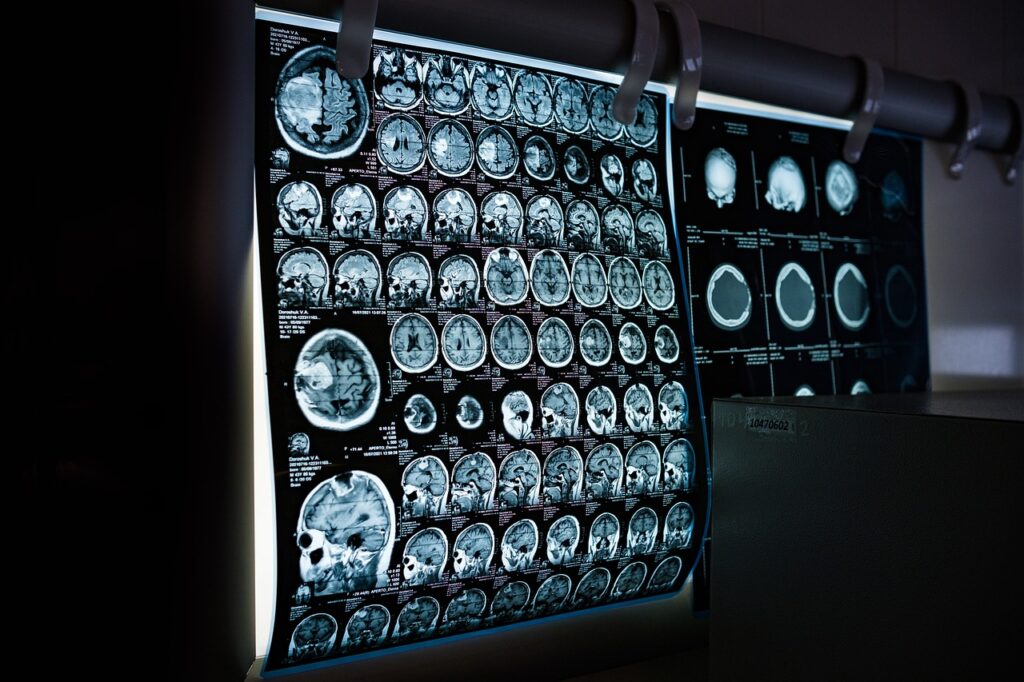
What Conditions Can an MRI Detect?
MRI scans are commonly used to diagnose or evaluate:
Brain Conditions
Stroke
Brain tumours
Multiple sclerosis
Brain infections
Head injuries
Spine Disorders
Slipped disc (Herniated Disc)
Sciatica
Spinal cord disorders
Degenerative spine disease
Chronic back pain
Bone and Joint Problems
Ligament tears
Meniscus injuries
Rotator cuff injuries
Arthritis
Sports injuries
Soft Tissue Disorders
Muscle injuries
Tendon damage
Soft tissue tumours
Abdominal & Pelvic Conditions
Liver disorders
Kidney abnormalities
Pancreatic diseases
Uterine and ovarian conditions
Prostate evaluation (when appropriate)
Types of MRI Scans Available
Depending on your symptoms, your doctor may recommend different MRI examinations.
Brain MRI
Used to evaluate stroke, brain tumours, epilepsy, chronic headaches, dizziness, and neurological disorders.
Spine MRI
Recommended for patients experiencing back pain, neck pain, slipped discs, spinal injuries, or nerve compression.
Knee MRI
Helps diagnose ligament tears, cartilage injuries, meniscus damage, and sports-related knee injuries.
Shoulder MRI
Evaluates rotator cuff injuries, tendon tears, shoulder instability, and joint disorders.
Abdomen MRI
Provides detailed imaging of abdominal organs to investigate liver, pancreas, kidneys, and other abdominal conditions.
Pelvic MRI
Used to assess conditions affecting the uterus, ovaries, prostate, bladder, and surrounding pelvic structures.
What Happens During an MRI Scan?
Knowing what to expect can help you feel more comfortable.
You will be asked to remove metal objects such as jewellery, watches, and mobile phones.
You will lie comfortably on the MRI table.
The table slowly moves into the MRI scanner.
The scanner produces loud tapping or knocking sounds during image acquisition. Ear protection may be provided.
You will be asked to remain still to obtain clear images.
Depending on the examination, the scan usually takes between 20 and 45 minutes.
After the scan, you can usually resume your normal daily activities unless your doctor advises otherwise.
Is an MRI Scan Painful?
No. An MRI scan is completely non-invasive and does not cause pain.
Some people may feel slightly uncomfortable while lying still for the duration of the examination. If you feel anxious in enclosed spaces (claustrophobia), inform the radiology team before your appointment so they can discuss available options.
Is an MRI Scan Safe?
MRI does not use ionising radiation, making it different from X-rays and CT scans.
However, because MRI uses a powerful magnetic field, it is important to tell your doctor if you have:
A pacemaker
Cochlear implants
Metal implants or clips
Artificial heart valves
Insulin pumps
Metal fragments in the body
Pregnancy or if you think you may be pregnant
Your healthcare team will determine whether MRI is appropriate for your individual situation.
How Should I Prepare for an MRI?
Preparation depends on the type of MRI being performed.
General recommendations include:
Wear comfortable clothing.
Remove jewellery, watches, hearing aids, and other metal objects.
Inform the radiology team about any implants or previous surgeries.
Follow any fasting instructions if contrast material is required.
Bring previous imaging reports if requested by your doctor.
Why Choose Prolife Hospital for MRI Scans?
At Prolife Hospital Ludhiana, we are committed to providing accurate diagnostic imaging in a comfortable and patient-friendly environment.
Our MRI services are supported by:
Advanced MRI imaging technology
Experienced radiologists and trained MRI technicians
Comprehensive imaging for neurological, orthopaedic, abdominal, and pelvic conditions
Patient-focused care throughout the examination process
Timely reporting to support prompt diagnosis and treatment planning
Collaboration with specialists across multiple medical departments
Our goal is to provide reliable imaging that helps your doctor make informed decisions about your health.
Frequently Asked Questions (FAQs)
What is an MRI scan used for?
MRI scans help diagnose conditions affecting the brain, spine, joints, muscles, nerves, and internal organs by producing detailed images that assist doctors in identifying the cause of symptoms.
Is an MRI scan better than a CT scan?
MRI and CT scans serve different purposes. MRI is especially useful for evaluating soft tissues, the brain, spinal cord, joints, and ligaments, while CT scans are often preferred for certain emergencies, bone injuries, and other specific clinical situations. Your doctor will recommend the most appropriate test.
How long does an MRI scan take?
Most MRI scans take 20 to 45 minutes, depending on the body part being examined.
Can I eat before an MRI?
Some MRI examinations allow you to eat normally, while others may require fasting, particularly if contrast material is being used. You will receive specific instructions before your appointment.
Is MRI safe during pregnancy?
Your doctor will determine whether an MRI is appropriate during pregnancy based on your medical condition and the urgency of the examination.
When will I receive my MRI report?
The MRI images are reviewed by a radiologist, and the report is shared with your treating doctor, who will explain the findings and discuss any further investigations or treatment if required.