
Anaesthesia Services
Many patients feel anxious before surgery, and one of their biggest concerns is anaesthesia. At Prolife Hospital Ludhiana, our Department of Anaesthesia is dedicated to making surgical procedures as safe, comfortable, and pain-free as possible. Our experienced anaesthesiologists provide personalised anaesthesia care for patients of all ages, from infants to older adults, for both planned and emergency surgeries.
What is Anaesthesia?
Anaesthesia is a medical treatment that prevents pain and keeps patients comfortable during surgical and diagnostic procedures. Depending on the type of surgery and your medical condition, the anaesthesiologist may recommend general anaesthesia, regional anaesthesia, local anaesthesia, or sedation. Every anaesthesia plan is tailored to the patient’s health, the procedure being performed, and individual medical needs.
Why is Anaesthesia Important Before Surgery?
Anaesthesia does much more than help you sleep during an operation. It plays a vital role in ensuring your comfort, controlling pain, relaxing muscles when required, and allowing surgeons to perform procedures safely. Before surgery, our anaesthesiologists carefully review your medical history, medications, allergies, and overall health to choose the safest anaesthesia technique for you.
Comprehensive Pre-operative Assessment
Every patient undergoes a detailed pre-anaesthetic evaluation before surgery. During this assessment, our anaesthesia team explains the recommended anaesthesia plan, discusses possible risks and benefits, answers your questions, and ensures you are medically prepared for the procedure. This personalised approach helps improve patient safety and confidence before surgery.
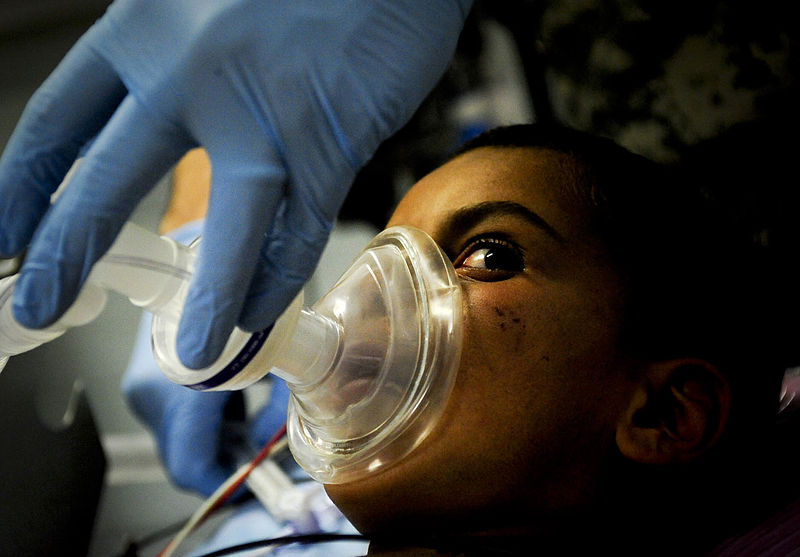
Safe Anaesthesia During Surgery
During the procedure, patients are continuously monitored using advanced anaesthesia workstations and modern monitoring systems that track heart rate, blood pressure, oxygen levels, breathing, and other vital signs. Our anaesthesiologists remain with the patient throughout the surgery, adjusting medications and monitoring every stage of anaesthesia to ensure maximum safety and comfort.
Post-operative Recovery and Pain Management
After surgery, patients are closely observed in a dedicated recovery area by specially trained healthcare professionals under the supervision of anaesthesiologists. We focus on effective pain management to support a comfortable recovery. Patients requiring additional monitoring or specialised care are transferred to the Intensive Care Unit (ICU) whenever medically necessary.
Advanced Anaesthesia Services
Our Department of Anaesthesia provides specialised anaesthesia care for a wide range of complex surgical procedures and high-risk patients. Our services include:
- General anaesthesia
- Regional anaesthesia (spinal, epidural, caudal, and nerve blocks)
- Monitored anaesthesia care
- Day-care anaesthesia
- Awake craniotomy support
- Fibre-optic intubation for difficult airway management
- Anaesthesia for neurological disorders
- Anaesthesia for haematological disorders
- Anaesthesia for carotid endarterectomy procedures
- Anaesthesia for neonates, elderly patients, and patients with obesity
Every anaesthesia plan is carefully designed according to the patient’s age, overall health, medical condition, and the type of surgery to ensure the highest standards of safety and personalised care.
FrequentlyAsked Questions
Is anaesthesia safe?
Modern anaesthesia is generally very safe when administered by qualified anaesthesiologists. Before surgery, your health is carefully assessed, and you are continuously monitored throughout the procedure to minimise risks.
Will I feel pain during surgery?
No. The purpose of anaesthesia is to prevent pain during surgery. Your anaesthesiologist will select the most appropriate technique to keep you comfortable throughout the procedure.
Will I be awake during surgery?
It depends on the type of anaesthesia used. Some procedures require general anaesthesia, where you are completely unconscious, while others may use regional or local anaesthesia, allowing you to remain awake without feeling pain.
Are there any side effects of anaesthesia?
Some patients may experience temporary side effects such as nausea, sore throat, dizziness, or drowsiness after surgery. These are usually short-lived. Your anaesthesiologist will discuss any potential risks based on your health and the planned procedure.
What should I do before receiving anaesthesia?
Follow your doctor’s instructions carefully, including fasting guidelines and medication advice. Inform your anaesthesiologist about your medical history, allergies, and any medicines you are taking before surgery.