
An X-ray is one of the most commonly used imaging tests to help doctors diagnose a wide range of medical conditions involving the bones, joints, chest, abdomen, and other parts of the body. At Prolife Hospital Ludhiana, we provide digital X-ray services to support accurate diagnosis and timely treatment for both routine and emergency medical conditions.
Digital X-ray technology produces clear images quickly, helping doctors identify injuries, infections, fractures, and other abnormalities while keeping the examination fast and comfortable for patients.
Why Might You Need an X-Ray?
Your doctor may recommend an X-ray to evaluate:
- Bone fractures and injuries
- Joint and spine disorders
- Chest infections, including pneumonia
- Lung conditions
- Bone diseases
- Abdominal conditions
- Certain dental and skeletal problems
- Injuries following accidents or trauma
X-rays are often the first imaging test performed because they provide valuable diagnostic information quickly.
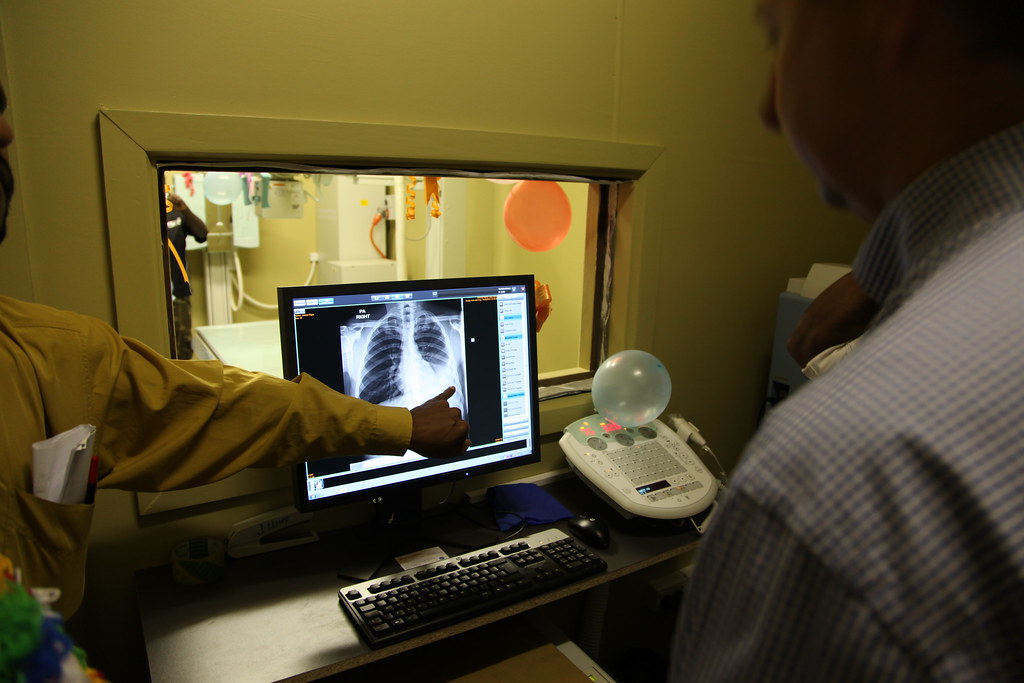
- Specialised_X-Ray Procedures
In addition to routine digital X-rays, our Radiology Department performs specialised contrast studies when recommended by your doctor.
Barium Swallow, Barium Meal, and Barium Enema
These imaging studies help evaluate the oesophagus, stomach, intestines, and other parts of the gastrointestinal tract. A contrast material called barium is used to improve the visibility of digestive organs during fluoroscopic imaging. Depending on the examination, fasting and bowel preparation may be required.
Intravenous Urogram (IVU/IVP)
An Intravenous Urogram is a specialised X-ray examination used to evaluate the kidneys, ureters, and urinary bladder. It may be recommended to investigate kidney stones, urinary tract obstruction, or other urinary system disorders.
Hysterosalpingography (HSG)
Hysterosalpingography (HSG) is a specialised imaging procedure used to assess the shape of the uterus and determine whether the fallopian tubes are open. It is commonly performed as part of the evaluation of female infertility. The procedure is usually scheduled during a specific phase of the menstrual cycle, as advised by your gynaecologist.
Is an X-Ray Safe?
X-rays use a small amount of radiation to produce diagnostic images. Your doctor recommends an X-ray only when the expected medical benefit outweighs the potential risks. Appropriate safety measures are followed during the examination, and patients are advised about any necessary precautions.
What Happens During an X-Ray?
During the examination, you may be asked to stand, sit, or lie down depending on the body part being imaged. The procedure is quick, painless, and usually completed within a few minutes. It is important to remain still while the images are taken to ensure clear results.
Frequently-Asked Questions
Is an X-ray painful?
No. An X-ray is a painless imaging test. You may need to remain still or briefly hold a particular position while the images are taken.
How long does an X-ray take?
Most routine X-ray examinations take only a few minutes. More specialised studies may require additional preparation and time.
Do I need to prepare before an X-ray?
Routine X-rays usually require little or no preparation. However, specialised procedures such as Barium studies or IVU may require fasting or other instructions, which your healthcare team will explain before the test.
Can I eat before an X-ray?
For most routine X-rays, yes. If your examination requires fasting or contrast material, you will receive specific instructions before your appointment.
When will I receive my X-ray results?
The images are reviewed by a radiologist, and the findings are shared with your treating doctor, who will discuss the results and the next steps in your care.